Her Own Worth

What we're learning.

Field notes from the programme, and reviews of the published evidence on women, saving and financial education in India. None of it is investment advice, and none of it describes an individual participant.

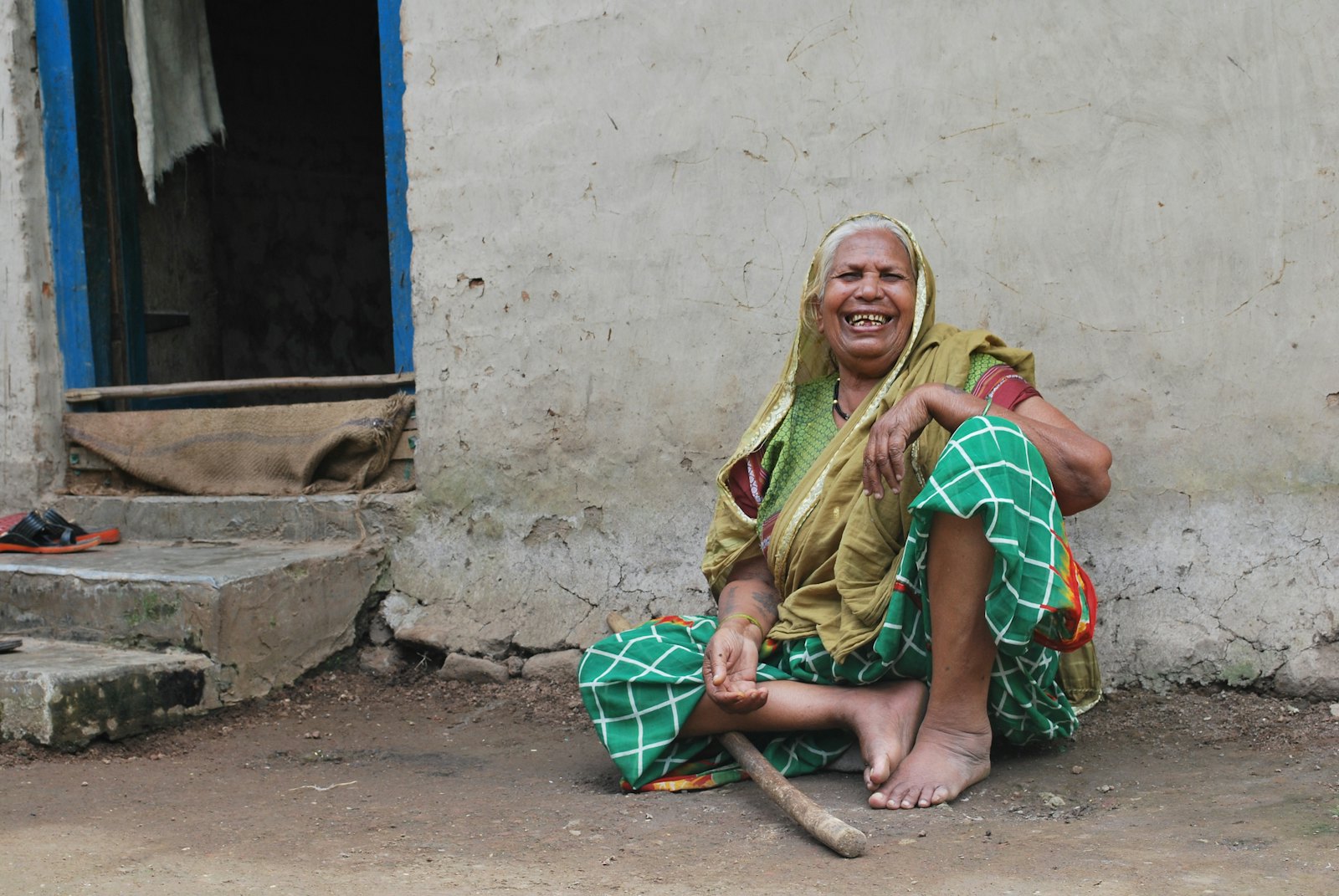
An older woman seated at a doorwayPhoto: Unsplash
Field notes

Patterns we notice.

Observations from running the programme, updated after each cohort. These are patterns, not findings from a controlled study.

  • The account is rarely hers

    Most participants' salary accounts were opened by an employer or a male relative. Few had ever held money that was not spoken for by the household. Reporting from the first cohort will be added once the three-month follow-up is complete.

  • Borrowing is the urgent topic

    Questions about moneylenders and app loans come up in every session, usually before saving does. The cost-of-borrowing session has moved earlier as a result.

  • Long memories of saving

    Some of the women we work with have saved steadily for decades through informal means. One built a house in her village on 25 years of savings. The programme adds vocabulary and options to a habit many already have.

Reviews

What the evidence already says.

Each review reads the published research on one question and says what it means for a programme like ours. They are working papers by the Her Own Worth team, shared for discussion; not peer-reviewed, not published in a journal.

In preparation, December 2026

Money in her own name: why low-income Indian women hold so little formal saving, and what the evidence says would change it

Literature review. Working paper 1.

What it covers

What national surveys (NFHS, the Global Findex, RBI and NCFE financial literacy surveys) and field studies report about women's ownership of bank accounts, savings and insurance in India; the barriers that recur across that research (irregular income, household control of money, distance and distrust of formal finance, lack of documents); the role of informal saving (chit funds, savings groups, gold) and why it persists; and what published evaluations of financial education programmes, workplace schemes and government products say about what shifts behaviour. It closes with what this implies for a workplace course for women who earn a wage.
In preparation, December 2026

Nudges, groups and habits: what the evidence says helps low-wage women keep saving

Literature review. Working paper 2.

What it covers

A review of behavioural research on saving among low-income people, with attention to studies in India and comparable economies: default enrolment and automatic deductions, commitment savings, reminders, goal-named accounts and peer groups. It asks which findings transfer to low-wage Indian women specifically, given irregular income, limited control over household money and distrust of formal finance; where the evidence is thin; and what an employer-hosted education programme can borrow from it without recommending any product.

Planned, 2027

After three months: what participants told us

Field note. Anonymised, aggregate results from the voluntary before-and-after survey of the first cohort.

An older woman smiling
How we handle data

Consent first. Always.

Every participant signs a consent form in her own language before any survey. It explains what is collected, that answers are anonymised, that she can withdraw at any time, and that taking part is never a condition of her job. No account numbers, balances or investment details are collected. Nothing here describes any individual.

Researchers, journalists and other programmes are welcome to write to hello@herownworth.com.