Five sessions. One room. Her own budget.
A short financial education course delivered at the workplace, for women who earn a monthly wage and have never been taught how money works.
A short financial education course delivered at the workplace, for women who earn a monthly wage and have never been taught how money works.
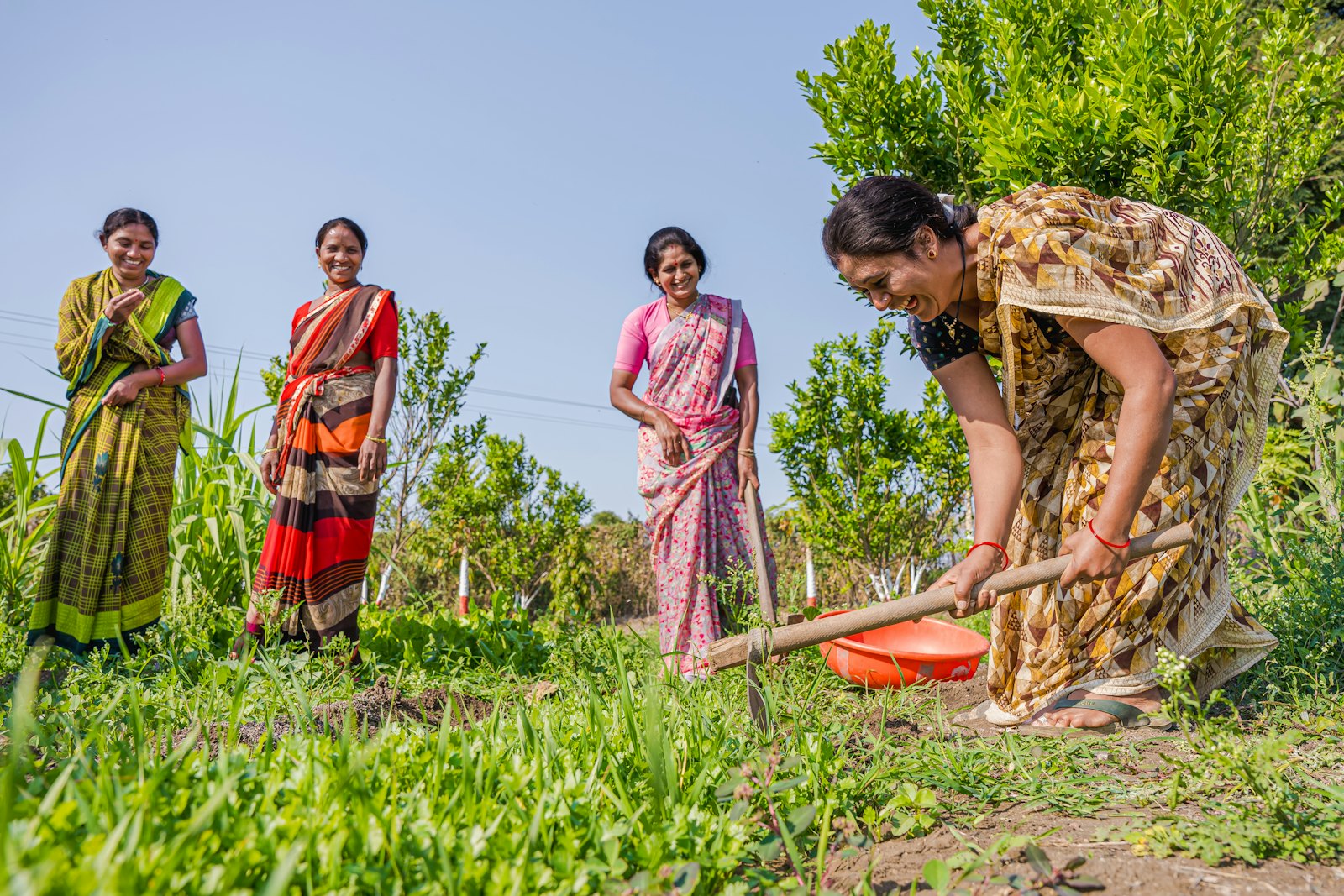 Photo: Unsplash
Women earning roughly Rs 10,000 to Rs 30,000 a month in hospitality, housekeeping, kitchens, front desks, shops, factories and households.
Most have a bank account that someone else opened for salary. Few have savings, insurance or a pension in their own name. Many are the steadiest income in the household. The programme starts from that fact.
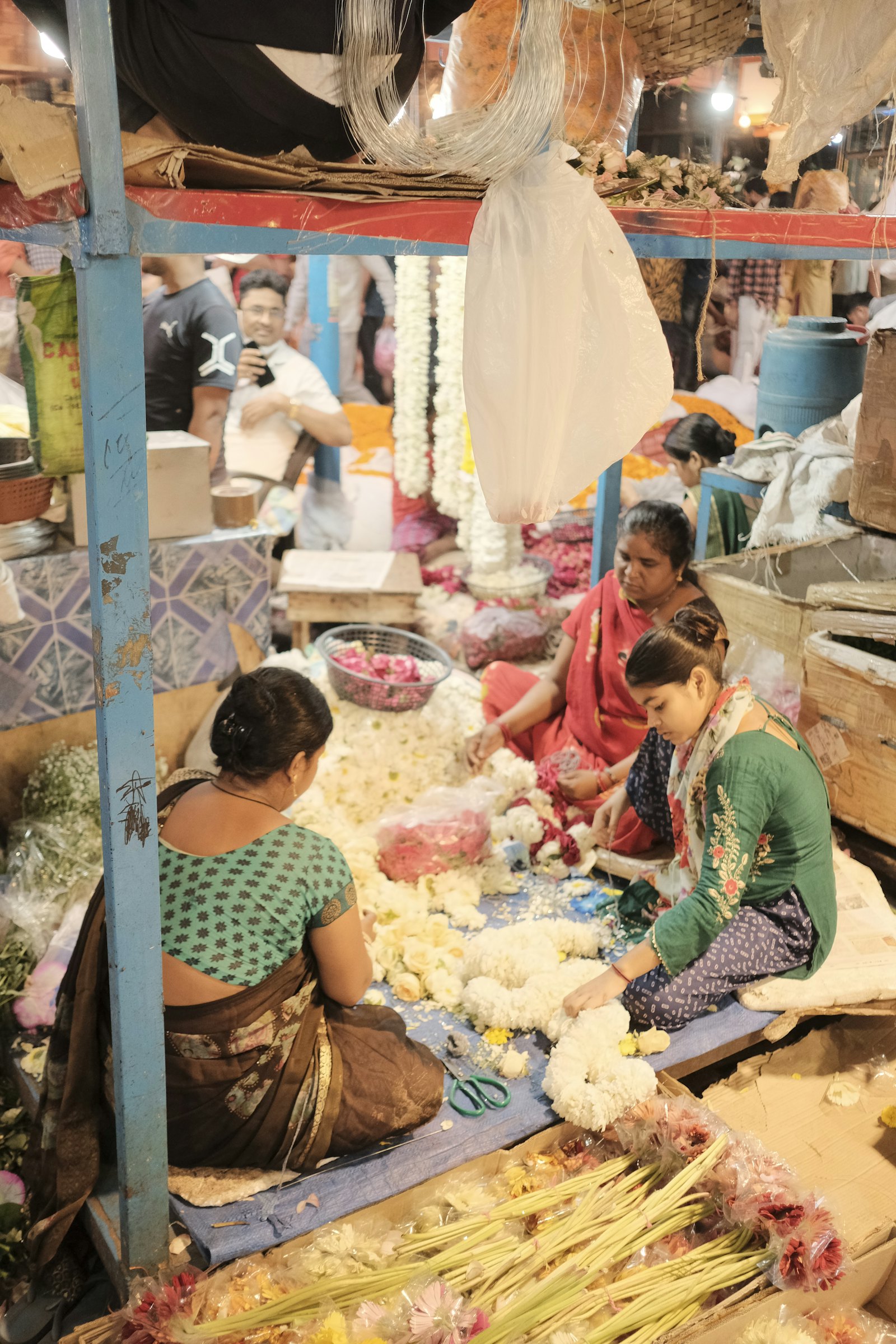
About 45 minutes each, in Marathi or Hindi, on paid time.
Every participant writes her own monthly budget on paper. Together we work out what is left, and what an emergency fund of one to three months' expenses would take.
Compounding, explained with a jar and a calendar. How recurring deposits, mutual fund SIPs and small pension schemes work in principle, and what to ask before opening any of them.
What term and health insurance do and cost. How the government schemes (PMJJBY, PMSBY, Atal Pension Yojana) work. How to read a policy before signing.
Women live longer, take career breaks and are more often widowed. Why retirement savings in her own name matter, and how small amounts over many years add up.
Moneylenders, chit funds, gold loans, app loans and buy-now-pay-later on one page. How to work out what a loan truly costs in a year.
Written in her own hand, in her own language, for her own household.
The questions to ask any bank, agent or lender before signing anything, and the warning signs of a bad product.
What she would need to set aside, and where to find out more. The decision, and the account, are hers.
Three months later we ask, voluntarily, what changed. The answers improve the next course.
Participants who choose to can answer a short survey before the first session and three months after the last: whether they save something every month, whether they have an emergency fund, whether they hold an account in their own name, who decides on money at home, and five plain-language questions on how money works.
Answers are anonymised and reported only in aggregate. No one is asked to share account details, balances or investments, and nobody is asked to buy anything. See what we're learning.